A bone or joint deformity may be present from childhood, develop after an injury, or progress because of disease. Some deformities mainly affect appearance, while others produce pain, uneven weight distribution, walking difficulty, joint instability, or progressive damage.
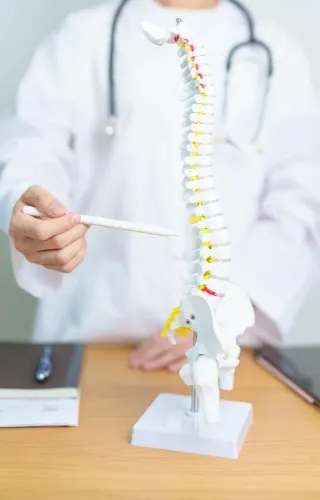
Patients considering deformity correction surgery in Pimpri Chinchwad need a detailed evaluation because correction must be planned in three dimensions and matched to a clear functional goal.
When Is Specialist Evaluation Appropriate?
Assessment may be advisable when a deformity causes:
- Difficulty walking or standing
- Persistent joint or limb pain
- Recurrent falls or instability
- Unequal limb length
- Progressive angulation
- Problems with footwear
- Reduced ability to work or exercise
- Pressure sores or skin problems
- Uneven loading of nearby joints
- Emotional distress combined with functional limitation
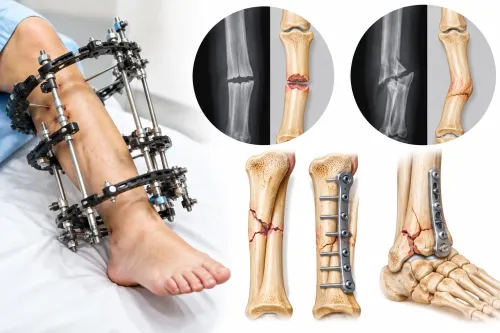
Common examples include bow legs, knock knees, post-traumatic angulation, rotational deformity, limb-length discrepancy, and deformities associated with nonunion or malunion.
1: The Cause Is Clearly Understood
Treatment planning begins by identifying why the deformity developed. Possible causes include previous fracture healing, childhood growth disturbance, metabolic bone disease, infection, neurological conditions, congenital differences, or degenerative joint disease.
Correcting alignment without understanding the cause may leave an underlying problem unaddressed.
2: Imaging Has Defined the Deformity
Standing X-rays may be needed to assess mechanical alignment. CT imaging can provide additional information about rotation or complex bone anatomy. In selected cases, limb-length studies and joint imaging are required.
The surgeon may calculate the location and magnitude of correction before choosing the surgical method.
3: The Expected Benefit Is Realistic
The purpose of surgery should be specific. It may aim to improve alignment, balance weight distribution, reduce pain, correct limb length, improve gait, or protect a nearby joint.
Complete symmetry may not always be achievable or necessary. Patients should understand the planned correction and the functional improvement reasonably expected.
4: Health Risks Are Being Managed
Bone healing can be affected by smoking, uncontrolled diabetes, nutritional deficiency, infection, poor circulation, and some medicines. These factors should be identified before surgery.
Patients may require blood tests, medical clearance, infection screening, or bone-health assessment. Existing wounds or active infection can change the timing and method of correction.
5: Rehabilitation Is Practical
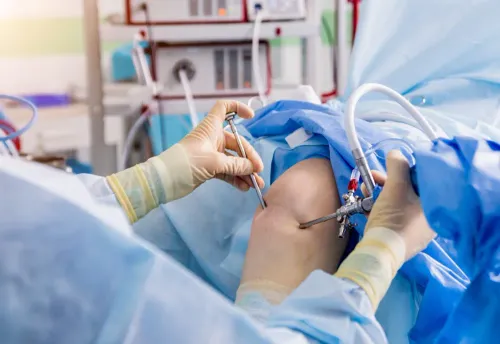
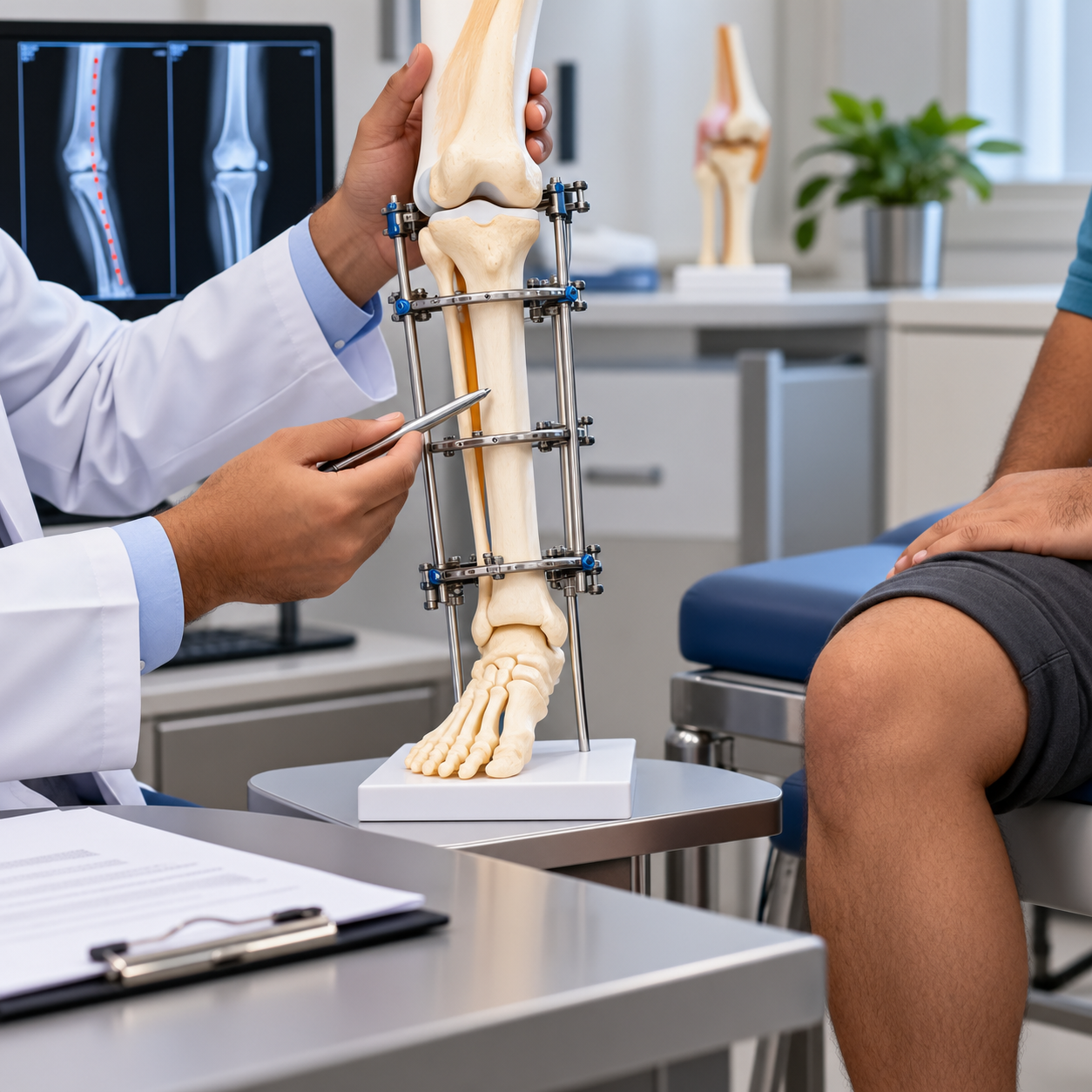
Correction may involve plates, screws, nails, external fixation, or gradual adjustment systems. Weight-bearing restrictions and rehabilitation requirements differ significantly.
Before proceeding, the patient should understand:
- Expected hospital stay
- Wound or pin-site care
- Use of crutches or a walker
- Weight-bearing instructions
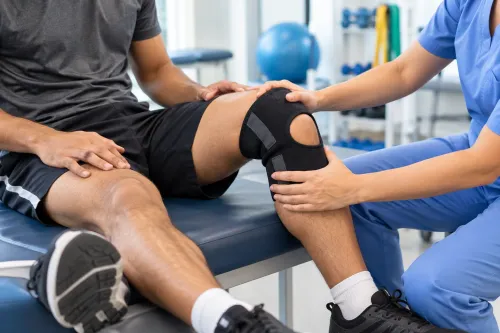
- Physiotherapy schedule
- Follow-up imaging
- Time away from work
- Possibility of further procedures
Family assistance and transport may also need to be arranged.
Anand Orthopaedic Hospital in Moshi provides evaluation for limb deformity and post-traumatic alignment problems affecting patients in Pimpri-Chinchwad and the wider Pune region. Surgical suitability is decided after clinical examination, alignment studies, health review, and discussion of the patient’s priorities.
Deformity correction is usually a planned journey rather than a single isolated procedure. Patients are better prepared when the cause has been established, the correction goal is measurable, health risks are optimised, and the rehabilitation commitment is understood before surgery.
Keywords