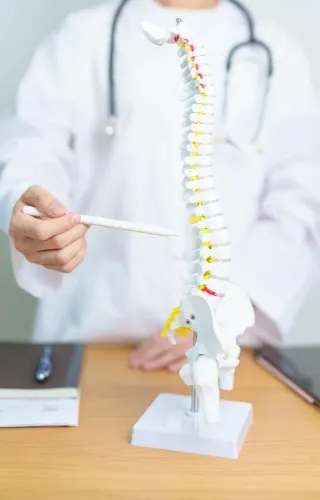
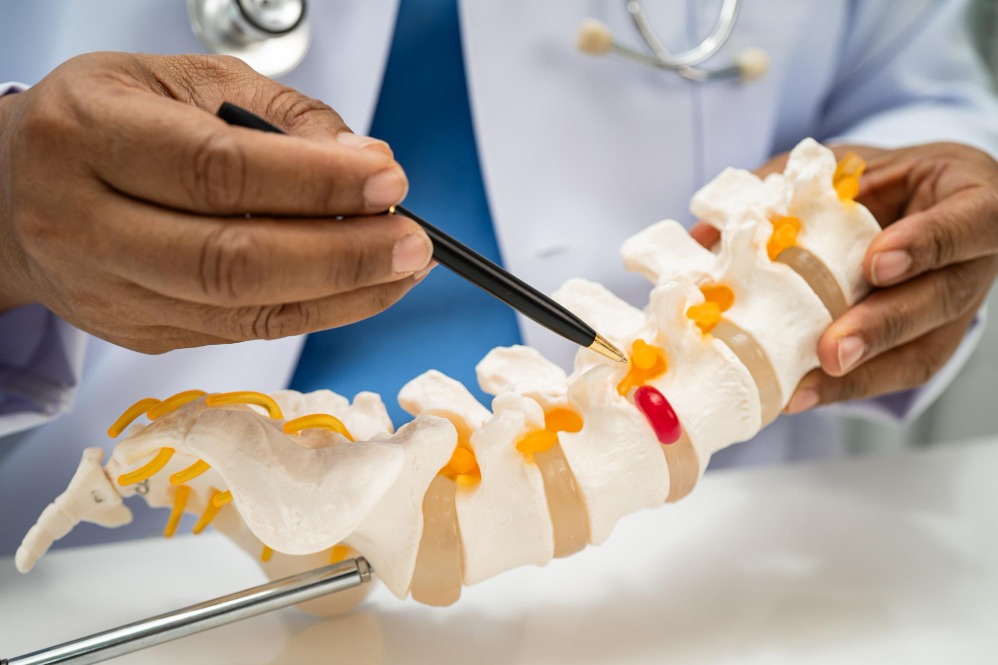
A slipped disc is a common term for a spinal disc that has bulged, protruded, or herniated. The disc itself does not simply slip out of place. Symptoms occur when disc changes irritate nearby tissues or compress a spinal nerve.
People seeking a slip disc treatment specialist in Moshi often arrive after trying prolonged bed rest, repeated pain medicines, or unverified treatments. Avoiding common mistakes can make evaluation and recovery more structured.
Mistake 1: Assuming Every Backache Is a Slip Disc
Muscle strain, joint irritation, posture-related pain, kidney problems, hip conditions, and other disorders can produce back pain. A disc problem becomes more likely when pain travels into an arm or leg or is accompanied by tingling, numbness, or weakness.
Diagnosis begins with symptoms and a neurological examination. MRI is valuable in selected cases, but scan findings should be interpreted alongside the patient’s actual condition.
Mistake 2: Treating the MRI Instead of the Patient
Disc bulges are sometimes found in people without pain. Therefore, an MRI report mentioning a bulge does not automatically mean that surgery is required.
The location of pain, nerve function, reflexes, muscle strength, sensation, and response to previous care should match the imaging findings before treatment decisions are made.
Mistake 3: Staying in Bed for Too Long
A short period of activity modification may help during an acute episode, but prolonged bed rest can lead to stiffness, muscle weakness, and fear of movement.
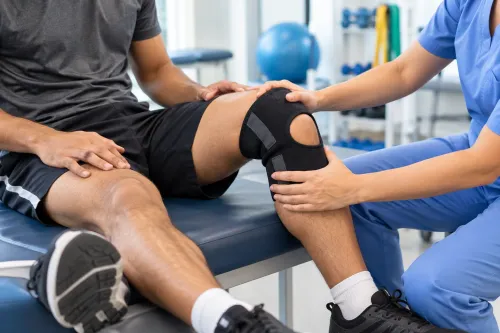
Many patients benefit from a gradual return to safe activity. Physiotherapy may include mobility work, core and hip strengthening, posture guidance, and education about lifting or sitting.
Exercises should be selected after assessment because a movement that helps one person may aggravate another condition.
Mistake 4: Ignoring Progressive Weakness
Pain is distressing, but increasing weakness may be more clinically significant. Difficulty lifting the foot, frequent tripping, reduced grip, or loss of fine hand control should be reported promptly.
Emergency assessment is required if back pain is accompanied by loss of bladder or bowel control, numbness around the groin or saddle area, or rapidly worsening leg weakness.
Mistake 5: Believing Surgery Is Always Required
Many disc-related symptoms improve with non-surgical care. Treatment may include suitable medication, guided rehabilitation, and activity modification. Selected patients may be considered for targeted injections.
Surgery may be discussed when there is progressive neurological loss, serious nerve compression, an emergency syndrome, or persistent disabling symptoms despite appropriate conservative management.
Mistake 6: Returning to Heavy Activity Too Quickly
Reduced pain does not always mean that strength and movement control have fully returned. Lifting, repetitive bending, gym exercises, or prolonged travel should be resumed progressively.
Anand Orthopaedic Hospital in Moshi assesses patients with back pain, radiating limb pain, and suspected disc-related nerve symptoms from across Pimpri-Chinchwad and Pune. The treatment plan is determined by the neurological examination, imaging when required, symptom severity, and functional limitations.
The goal of slip disc care is not merely to suppress pain. It is to identify the actual cause, protect nerve function, restore safe movement, and help the patient reduce the likelihood of repeated episodes.
Keywords