Hip arthritis can gradually make walking, bending, sleeping, and everyday movement difficult. Pain may be felt in the groin, thigh, buttock, or occasionally around the knee, which means the source is not always obvious without examination.
When conservative care no longer provides adequate relief, advanced hip replacement surgery in PCMC may be considered. Patients can make a more informed decision by evaluating the diagnosis, surgical plan, implant choice, and recovery requirements together.
Confirm That the Hip Is the Pain Source
Lower-back conditions, nerve compression, muscle problems, and knee disorders can sometimes produce symptoms near the hip. A clinical examination and suitable imaging help determine whether the hip joint is responsible.
Common reasons for hip replacement include advanced osteoarthritis, avascular necrosis, inflammatory joint disease, selected fractures, or damage following previous trauma.
Surgery is generally considered when structural damage corresponds with persistent pain and loss of function.
Understand the Proposed Procedure
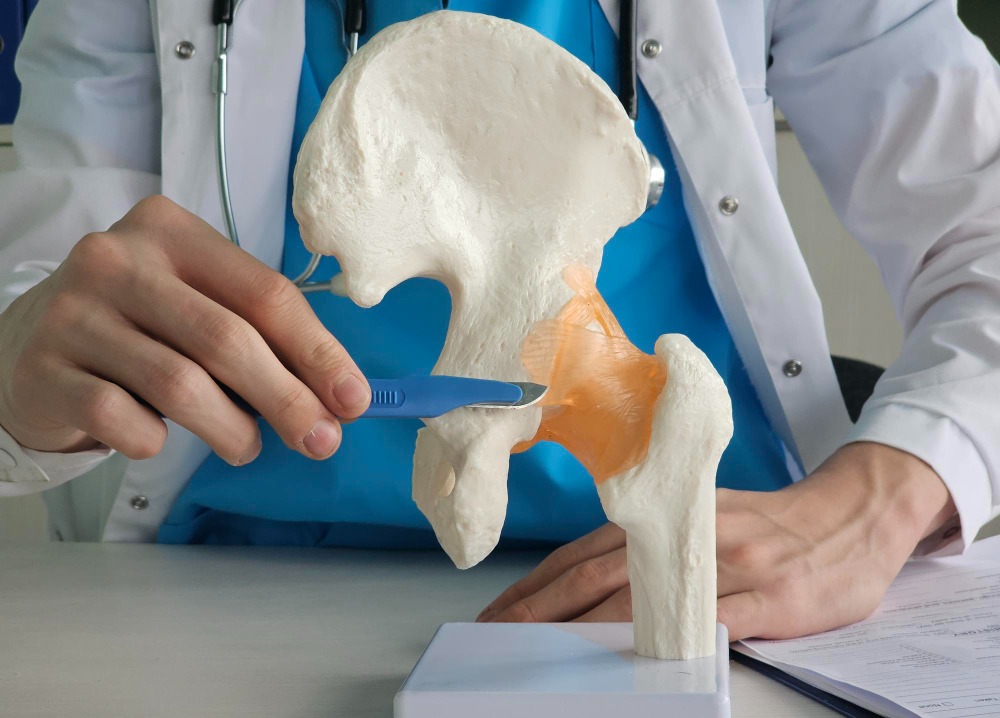
In total hip replacement, the damaged femoral head and hip socket surfaces are replaced with artificial components. Implant fixation may be cemented, uncemented, or hybrid.
The choice depends on factors such as age, bone quality, anatomy, activity needs, and surgeon assessment. One method is not automatically superior for every patient.
Different surgical approaches may also be discussed. Each has potential benefits and limitations, and the suitability depends on anatomy, deformity, previous surgery, and the surgeon’s experience with that technique.
Evaluate Implant Selection Carefully
Patients often focus on implant brands, but a suitable implant is one that matches their anatomy and clinical requirements and has an established performance record.
Important considerations include:
- Component size and design
- Fixation method
- Bearing surfaces
- Bone quality
- Expected activity level
- Existing deformity
- Previous hip procedures
- Risk of instability
The surgical team should explain why a particular configuration is being recommended.
Review Personal Risk Factors
Hip replacement is a major operation. Diabetes, obesity, anaemia, smoking, heart or lung disease, active infection, and a history of blood clots may affect preparation and recovery.
Preoperative assessment can identify conditions that should be optimised. Patients must disclose prescription medicines, blood thinners, supplements, allergies, and previous reactions to anaesthesia.
Plan for Life After Surgery
Walking commonly begins with assistance according to medical advice, but the pace of recovery differs among patients. A walker or other support may be used temporarily.
Home preparation may include:
- Removing loose rugs and floor obstacles
- Improving bathroom safety
- Arranging a stable sleeping area
- Keeping frequently used items within reach
- Planning transport for follow-up appointments
- Organising temporary help with daily tasks
Exercises are prescribed to restore strength and movement. Patients should follow position and activity precautions specific to their procedure rather than relying on general internet instructions.
Anand Orthopaedic Hospital evaluates patients from Moshi, Pimpri-Chinchwad, and surrounding Pune areas for hip pain and replacement suitability. A responsible recommendation considers whether symptoms justify surgery, whether risks have been addressed, and whether the patient understands rehabilitation.
Advanced planning and surgical tools may support treatment, but lasting improvement also depends on appropriate selection, careful execution, complication prevention, and active participation in recovery.
Keywords