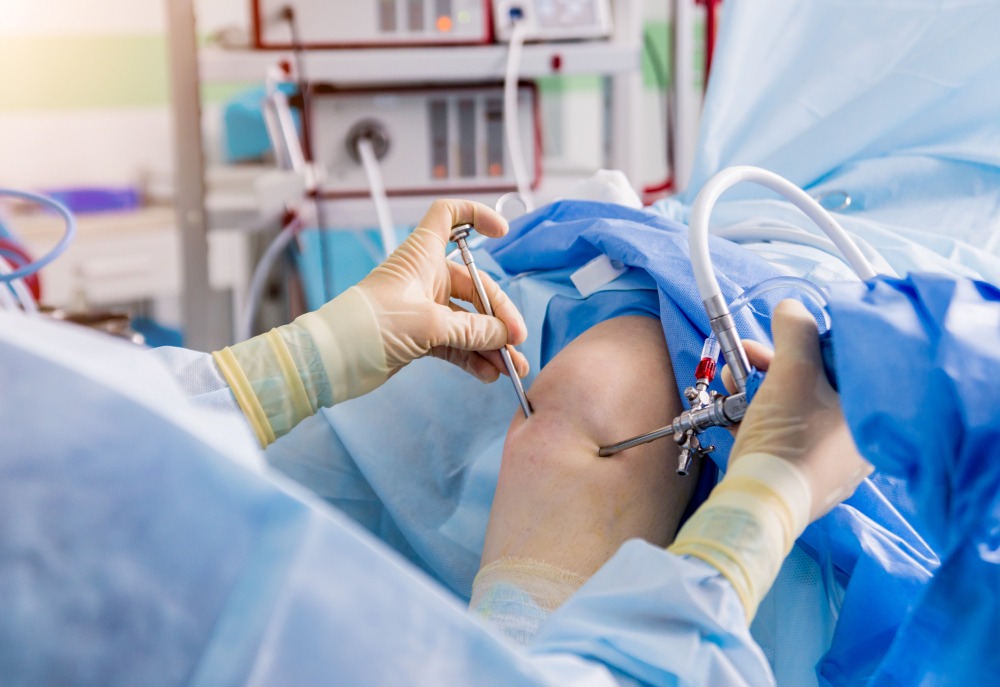
Arthroscopy is a minimally invasive procedure in which a small camera and specialised instruments are introduced into a joint through small incisions. It can help diagnose and treat selected problems affecting the knee, shoulder, ankle, elbow, wrist, or hip.
People looking for an arthroscopy specialist in PCMC should know that keyhole surgery is not automatically the best solution for every painful joint. Its value depends on the diagnosis, degree of structural damage, symptoms, and response to previous treatment.
Conditions That May Be Treated Arthroscopically
Depending on the joint and injury, arthroscopy may be considered for:
- Selected meniscus tears
- Anterior cruciate ligament reconstruction
- Loose bodies within a joint
- Certain cartilage problems
- Recurrent shoulder instability
- Some rotator cuff tears
- Impingement-related conditions
- Selected ankle or elbow problems
- Joint infection requiring washout
The presence of a tear on an MRI does not necessarily mean that surgery is required. Age-related changes can appear on scans without being the main source of symptoms.
Symptoms That Deserve Assessment
A specialist evaluation is useful when a joint repeatedly swells, gives way, locks, catches, or remains painful after appropriate rehabilitation. Acute injuries involving a twist, fall, collision, or sudden force may also need early assessment.
True locking, where the joint physically cannot move through its normal range, is different from temporary stiffness caused by pain or swelling.
What Should Be Checked Before Deciding?
Before recommending arthroscopy, the clinician should connect the patient’s symptoms with examination findings and imaging. Patients should be prepared to discuss:
- How and when the problem began
- Movements that trigger symptoms
- Episodes of instability or locking
- Previous physiotherapy
- Medication or injections already tried
- Work and sporting demands
- Relevant medical conditions
- Expectations from surgery
For many overuse or degenerative problems, structured rehabilitation may be attempted first.
Questions to Ask the Specialist
Patients considering arthroscopy may ask:
- What exact structure is causing my symptoms?
- Is surgery necessary now?
- What non-surgical alternatives remain?
- What will be repaired, reconstructed, or removed?
- Could the procedure change during surgery?
- How long will crutches, a sling, or a brace be needed?
- When can work, driving, and sport resume?
- What rehabilitation will be required?
- What are the main risks in my case?
A clear consultation should establish realistic goals rather than guarantee a perfect result.
Recovery Is Not Instant
Small incisions do not mean that the internal tissues have healed immediately. Recovery depends on what was done inside the joint.
A simple diagnostic or limited procedure may permit faster activity than ligament reconstruction, meniscus repair, or rotator cuff repair. Some repaired tissues require protection for weeks before loading or movement can be increased.
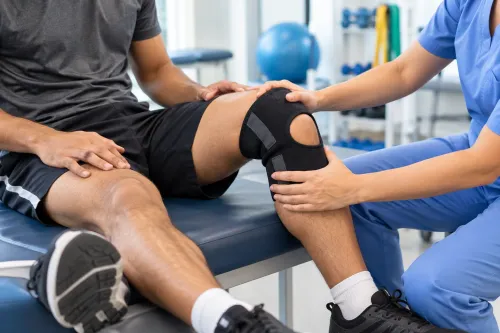
Physiotherapy may focus on swelling reduction, restoring movement, muscle activation, strength, balance, and gradual return to specific tasks.
Choosing the Right Care Pathway
Anand Orthopaedic Hospital in Moshi evaluates patients from Pimpri-Chinchwad and the Pune region for sports injuries and joint conditions that may be suitable for arthroscopic treatment. Readiness for surgery depends on diagnosis, health status, treatment history, and willingness to follow rehabilitation instructions.
Arthroscopy can be valuable when it addresses a clearly identified problem. The best indicator of appropriate care is not merely the availability of keyhole technology, but whether the proposed procedure has a sound clinical reason and a well-defined recovery plan.
Keywords